
Art is History, Lisa Sette Gallery’s spring exhibit, plays with the idea of Art History as a formal field of study overgrown with relics and theories, but the show’s astute collection of works reveals individual artists to be sources of human truth, their creative expression upending the self-serving histories repeated by corporate interests, political victors, and wealthy institutions. Featuring works by Pedro Álvarez, Rachel Bess, Enrique Chagoya, Sonya Clark, Carrie Marill, Duane Michals, Sandro Miller, Yasumasa Morimura, Vic Muniz, Charlotte Potter, Omar Soto, and Joel-Peter Witkin, Art is History opens with a public reception on Saturday, March 7 and continues through May 30, 2026. With these works and others in Art is History, the message is clear: Art offers an alternate view of time and events, a perception more vital and human than the changeable politics of the news or the histories written by victors. Art is the real history, the exhibit shows us, and the artist’s work is recognizing and peering beyond the prescriptive notions of the current moment.
-
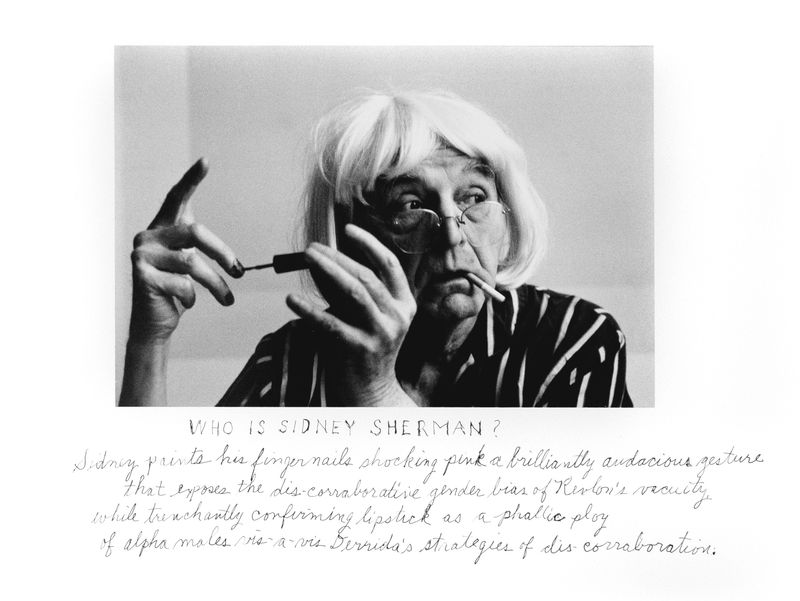
 Who is Sidney Sherman
 -
Two Origins of the World
-
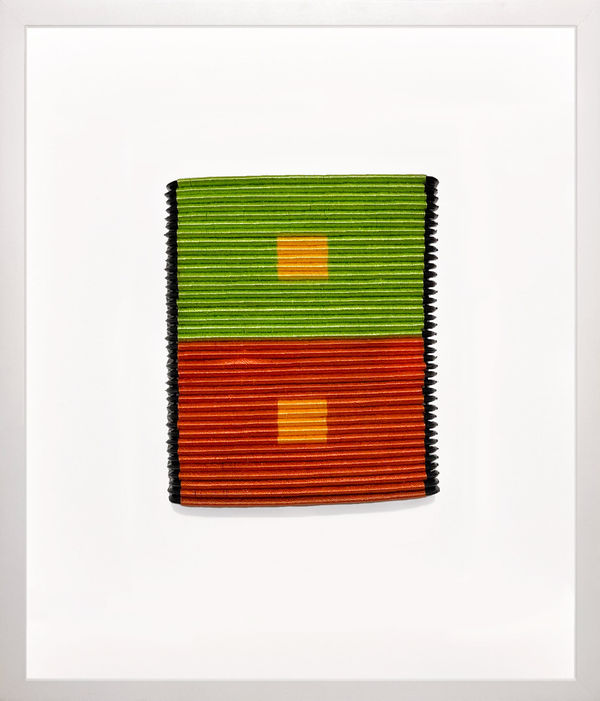
Albers Interaction (9/21)
-
Anatomy, after Francesco Bertinatti (Pictures of Junk)



-
O Fortuna
-
How Havana Stole from New York the Idea of Cuban Art
-
Mona Lisa In The Third Place
-
Recurrent Goya (suite of 8)


-
The Pleasure of Becoming
-
Birth of Venus
-
Venus of Urbino
-
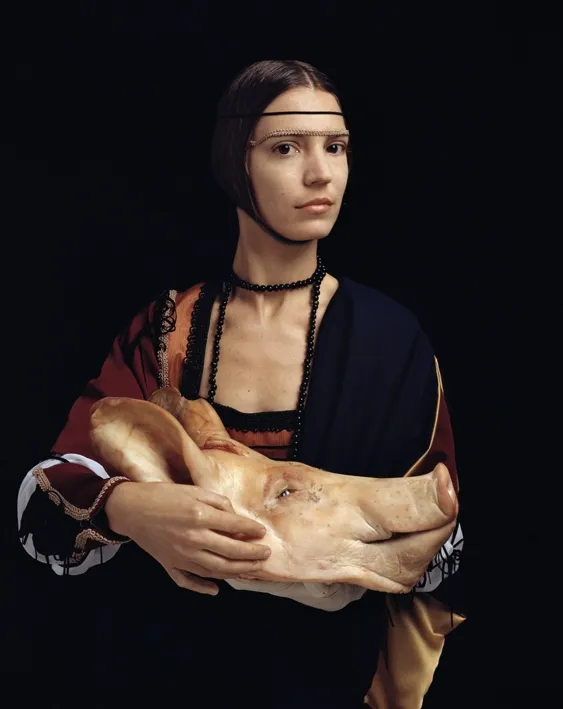
Waiting For de Chirico in the Artist's Section of Purgatory, New Mexico




-
Cameographic - Arthur Fellig Weegee
-
Cameographic - Carrie Mae Weems
-
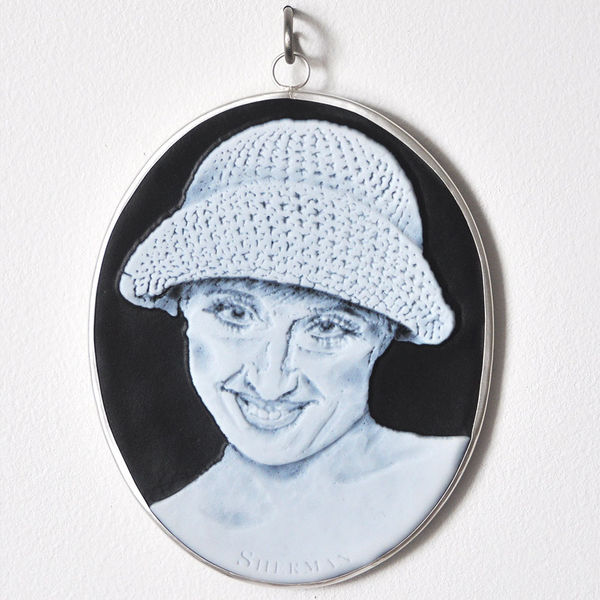
Cameographic - Cindy Sherman
-
Cameographic - Diane Arbus



-
Cameographic - Eadweard Muybridge
-
Cameographic - Edward Weston
-
Cameographic - Francis Frith
-
Cameographic - James Van Der Zee


-
Cameographic - Jerry Uelsmann
-
Cameographic - Joel-Peter Witkin
-
Cameographic - Joseph Nicephore Niepce
-
Cameographic - Julia Margaret Cameron


Exhibition Dates:
March 7 – May 30, 2026
Opening Reception:
Saturday, March 7, 2026
1:00 - 3:00pm
Art is History, Lisa Sette Gallery’s spring exhibit, plays with the idea of Art History as a formal field of study overgrown with relics and theories, but the show’s astute collection of works reveals individual artists to be sources of human truth, their creative expression upending the self-serving histories repeated by corporate interests, political victors, and wealthy institutions. The exhibition’s truthtelling intention is laid bare with the first breathtaking image that greets the viewer: Enrique Chagoya’s Two Origins of the World (2002), which gallery director Lisa Sette remarks “offers a more accurate depiction of the beginning of time.” In one corner of Chagoya’s velvety, layered work—which references the similarly titled 1866 censorship-triggering painting by Gustave Courbet—a person in Indigenous garb sits in front of a deep red easel, palette in hand. Behind the painter, spread across the canvas like a landscape, are the oversize curves and shadows of a woman’s bare midsection–an unblinking look at the places of human reproductive generation. This striking background presents the tangible biology of our origin of life, history not as a cultural monolith but as a vast collection of human gestures articulated by storytellers and culture bearers throughout time.
Pushing further to question the very systems that have historically determined what is considered art, Art is History includes Albers Interaction (2013) by Sonya Clark, an artist renowned for her incorporation of unexpected objects as creative material. Consisting of twenty-one exquisite thread-wrapped pocket combs, Clark’s piece is an ode to both Bauhaus icon Josef Albers’ book Interaction of Color, and to Albers’ wife, the textile artist Anni Albers. Joseph Albers’s book described how colors are perceived differently depending on the distance between neighboring colors and the viewer’s perspective, while Clark’s works in this series refer to the subjective nature of racial categorizations. Her work draws a thoughtful connection between contemporary race theory and the Bauhaus movement, both of which draw from multiple disciplines to articulate a broader societal perspective. Wrapping the pocket-comb, an object that speaks of the African American cultural experience, with vivid textile patterns in the style of Anni Albers, Clark considers the ways that perceptions of skin color and value change based on location, gender, and social context.
A similarly astute series by Duane Michals pokes holes in the celebrity-centered and self-satisfied notions of the commercial art world: Michals’ photographic self-portraits in disguise, titled Who is Sidney Sherman (2000), offers less-glamorous imagery than the voluminous self-portraiture of 1980’s art-star photographer Cindy Sherman. Scrawled texts below each image mimic the writings of white, straight French philosopher Derrida and make fun of the dense, alienating postmodernist language that has for decades shaped academic prescriptives about how to talk about art.
Speaking of the exponentially expanding archives of human notions and human detritus, the sculptor-turned-photographer Vic Muniz’s Anatomy, after Francesco Bertinatti (Pictures of Junk), (2009) reenvisions an 1837 anatomical illustration in which a central, pensive skeletal character rests on a chair made of rock. Muniz’s version substitutes for the rock for a geometrical accretion of modern objects, odds and ends, in a contemporary memento mori that reminds us of the material waste we preside over and leave behind, and how a culture of consumerism has infiltrated our fundamental perceptions of ourselves. Joel-Peter Witkin’s Waiting For de Chirico in the Artist's Section of Purgatory, New Mexico (1994), a complex composition of classical statuary and personal imagery, is a maximalist rendition on a similar theme: the buildup of prestige and myth in photographic form, and the complicated relationship between the formal objects of art history and the inner life of the artist.
Featuring works by Pedro Álvarez, Rachel Bess, Enrique Chagoya, Sonya Clark, Carrie Marill, Duane Michals, Sandro Miller, Yasumasa Morimura, Vic Muniz, Charlotte Potter, Omar Soto, and Joel-Peter Witkin, Art is History opens with a public reception on Saturday, March 7 and continues through May 30, 2026. With these works and others in Art is History, the message is clear: Art offers an alternate view of time and events, a perception more vital and human than the changeable politics of the news or the histories written by victors. Art is the real history, the exhibit shows us, and the artist’s work is recognizing and peering beyond the prescriptive notions of the current moment. Sette remarks, “Artwork can be both critical and beautiful; it is a constant conduit expressing the human condition.” The works in Art is History reveal views and experiences outside of the dominant narrative of history; in its culturally specific and yet infinitely unfolding variety, artwork tells the true story of human creation.


